
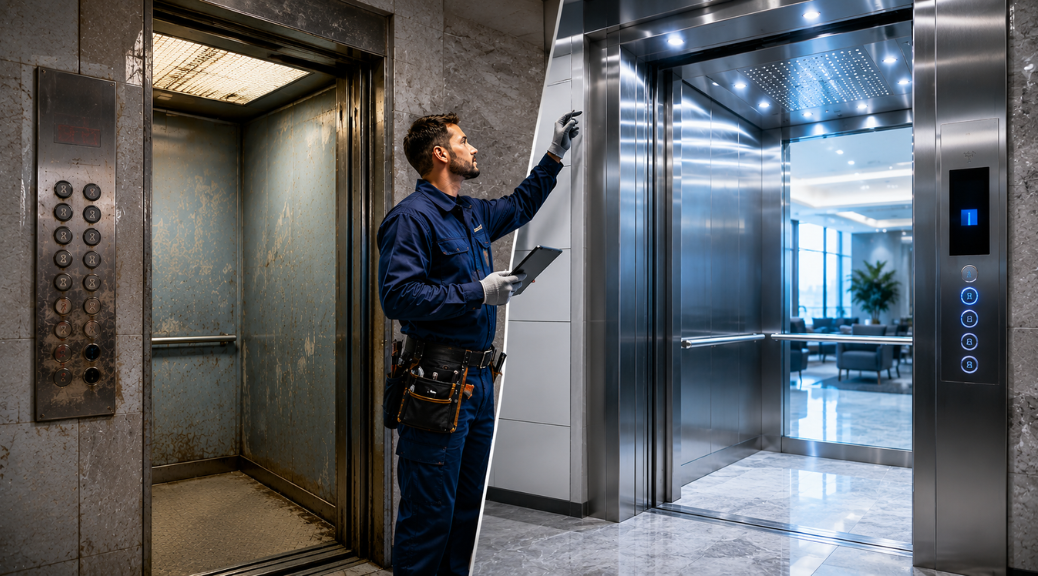
Signs Your Elevator Needs Modernization or Replacement
An elevator is one of the most heavily used systems in any building. Whether it serves a residential apartment, office complex, hospital, hotel, shopping mall, or industrial facility, its performance directly impacts convenience, safety, and overall building efficiency. Yet many property owners continue using aging elevator systems long after they have started showing signs of decline.
While regular maintenance can extend an elevator’s lifespan, there comes a point when repairs are no longer enough. Older elevators often become less reliable, consume more energy, require frequent servicing, and fail to meet modern safety and performance expectations.
This is where elevator modernization or, in some cases, a complete elevator replacement becomes necessary.
At Spire Elevators, we regularly help property owners across Delhi identify aging lift systems and upgrade them with modern technology that improves safety, efficiency, and user experience.
If you’re unsure whether your elevator needs an upgrade, here are the most common warning signs you should never ignore.
Table of Contents
Frequent Elevator Breakdowns Are Becoming Normal
Every elevator may experience occasional issues. However, if your lift is breaking down repeatedly, it is often a sign of deeper mechanical or electrical problems.
Frequent failures can indicate:
- Aging elevator components
- Obsolete control systems
- Worn-out motors
- Electrical faults
- Outdated safety equipment
When repair calls become increasingly common, the overall maintenance cost starts rising significantly.
At this stage, investing in elevator modernization services often becomes more economical than continuing frequent repairs.
Long Waiting Times Are Frustrating Occupants
One of the first complaints residents, employees, or visitors make about an aging elevator is slow response time.
If passengers regularly experience:
- Long waits during peak hours
- Delayed door operation
- Slow floor-to-floor travel
- Poor traffic handling
your elevator may no longer be capable of meeting the building’s current demands.
Modern elevator modernization solutions include advanced controllers, improved dispatch systems, and intelligent traffic management technology that significantly reduce waiting times.
The Elevator Feels Slow and Outdated
Technology has changed dramatically over the last two decades. Many older elevators still operate using outdated systems that were considered standard years ago but now feel inefficient compared to modern alternatives.
Common signs include:
- Slow acceleration
- Rough stopping
- Delayed floor leveling
- Outdated cabin interiors
- Poor ride quality
If occupants consistently perceive the lift as old-fashioned or inefficient, modernization can improve both performance and building image.
Unusual Noises During Operation
Elevators are designed to operate smoothly and quietly.
Grinding sounds, vibration, squeaking, rattling, or loud motor noise are often indicators that important components are wearing out.
These sounds may result from:
- Worn bearings
- Aging motors
- Damaged guide rails
- Brake system issues
- Mechanical misalignment
While maintenance can address some of these problems temporarily, recurring noise often points toward aging equipment that may require modernization.
Rising Maintenance Costs Every Year
One of the clearest signs that an elevator upgrade may be necessary is increasing maintenance expenditure.
Many property owners continue repairing old systems because replacing them appears expensive. However, over time, recurring repairs often cost more than modernization.
Common indicators include:
- Increasing AMC expenses
- Frequent emergency service calls
- Repeated replacement of parts
- Longer repair times
- Difficulty sourcing components
When maintenance costs continue rising year after year, it is often time to evaluate a long-term modernization strategy.
Spare Parts Are Becoming Difficult to Find
Older elevator models frequently rely on components that are no longer manufactured. As technology evolves, manufacturers discontinue outdated systems and parts.
This creates challenges such as:
- Longer repair delays
- Higher component costs
- Limited technical support
- Reduced system reliability
If your service provider struggles to source replacement parts, modernization may be the most practical solution.
The Elevator No Longer Meets Modern Safety Standards
Safety expectations continue to evolve. An elevator installed decades ago may still operate, but it may not include many of the safety features now considered standard.
Modern elevator safety upgrades often include:
- Automatic rescue devices
- Door safety sensors
- Advanced braking systems
- Emergency communication systems
- Fire emergency operation features
- Overload protection technology
If your elevator lacks these features, modernization can significantly improve passenger safety and regulatory compliance.
Energy Bills Are Higher Than They Should Be
Older elevators are often far less energy-efficient than modern systems. Outdated motors, lighting systems, and control equipment can increase electricity consumption significantly.
Modern energy-efficient elevators use technologies such as:
- Regenerative drives
- LED lighting
- Intelligent power management
- High-efficiency motors
- Standby power-saving modes
Modernization can help reduce operating costs while supporting sustainability goals.
Cabin Interiors Make the Building Look Outdated
The appearance of an elevator affects how people perceive the entire building. Worn interiors, faded finishes, old control panels, damaged flooring, and outdated lighting can make even a well-maintained property feel old.
Modern elevator cabin modernization can include:
- New wall panels
- Modern flooring
- Digital displays
- Stylish lighting
- Premium finishes
- Contemporary control panels
A refreshed cabin improves both passenger experience and property image.
Occupancy Has Increased Since Installation
Many elevators were originally designed for a much smaller number of users.
Over time, buildings may experience:
- Higher occupancy levels
- Additional tenants
- Increased visitor traffic
- Expanded business operations
An elevator that performed adequately years ago may now struggle to handle current demand. Modernization can improve traffic handling, speed, and overall operational efficiency without requiring major structural changes.
Elevator Technology Is More Than 20 Years Old
While elevator lifespan varies depending on maintenance and usage, systems older than 20–25 years often benefit significantly from modernization.
Older elevators typically lack:
- Smart controls
- Efficient drives
- Advanced safety features
- Modern monitoring systems
- Energy-saving technologies
Even if the lift remains operational, modernization can improve reliability, efficiency, and passenger satisfaction considerably.
Your Building Is Undergoing Renovation
Building renovation projects provide an excellent opportunity to assess elevator performance.
If you’re already upgrading:
- Lobbies
- Common areas
- Office spaces
- Residential interiors
- Building infrastructure
modernizing the elevator helps ensure that the building’s transportation system matches the upgraded environment. Many developers include elevator upgrades as part of larger renovation projects to improve overall property value.
Modernization vs Elevator Replacement: Which Is Better?
Not every aging elevator needs complete replacement. In many cases, elevator modernization can significantly improve performance by upgrading critical components such as:
- Controllers
- Drives
- Motors
- Safety systems
- Door operators
- Cabin interiors
However, if the elevator structure itself is severely outdated or damaged, a full elevator replacement may be the better long-term investment. A professional elevator assessment helps determine the most cost-effective solution.
Benefits of Elevator Modernization
Upgrading an aging elevator offers several advantages:
- Improved passenger safety
- Reduced breakdowns
- Faster operation
- Lower maintenance costs
- Better energy efficiency
- Enhanced building appearance
- Improved property value
- Increased reliability
For many property owners, modernization delivers the benefits of a new elevator without the cost of complete replacement.
Why Building Owners Trust Spire Elevators
Spire Elevators provides professional elevator modernization services, lift upgrades, and elevator replacement solutions for residential, commercial, and industrial properties across Delhi and NCR.
The company specializes in:
- Elevator modernization
- Elevator replacement
- Lift safety upgrades
- Smart elevator integration
- Energy-efficient elevator solutions
- Elevator AMC services
- Commercial lift modernization
- Residential elevator upgrades
Every modernization project is customized according to the building’s age, usage, and operational requirements.
An Aging Elevator Should Never Hold Back a Modern Building
Buildings evolve over time. Occupancy changes, technology advances, and user expectations continue to rise.
An elevator that performed well twenty years ago may no longer deliver the safety, efficiency, and convenience that modern buildings require today.
Recognizing the early signs of elevator aging allows property owners to act proactively rather than waiting for costly failures and operational disruptions.
Whether through modernization or complete replacement, investing in an upgraded elevator system helps improve safety, enhance user experience, reduce operating costs, and prepare the building for the future.
Frequently Asked Questions (FAQs)
How do I know if my elevator needs modernization?
Frequent breakdowns, slow operation, rising maintenance costs, outdated technology, and poor ride quality are common signs that modernization may be necessary.
What is elevator modernization?
Elevator modernization involves upgrading key components such as controllers, drives, motors, safety systems, and cabin interiors to improve performance and reliability.
How often should elevators be modernized?
Many elevators benefit from modernization after 20–25 years of operation, depending on usage, maintenance history, and technological condition.
Is modernization cheaper than elevator replacement?
In many cases, yes. Modernization can provide substantial performance improvements without the cost of installing a completely new elevator system.
Can elevator modernization improve safety?
Yes. Modernization often includes updated safety features such as emergency rescue devices, advanced sensors, braking systems, and communication technology.
Will modernization reduce maintenance costs?
Upgrading aging components can significantly reduce breakdowns, emergency repairs, and long-term maintenance expenses.
Can elevator modernization improve energy efficiency?
Yes. Modern drives, motors, LED lighting, and intelligent controls can lower electricity consumption and operating costs.
Why should I hire a professional elevator modernization company?
A professional elevator company ensures proper system evaluation, safe upgrades, regulatory compliance, reliable installation, and long-term performance improvements.