
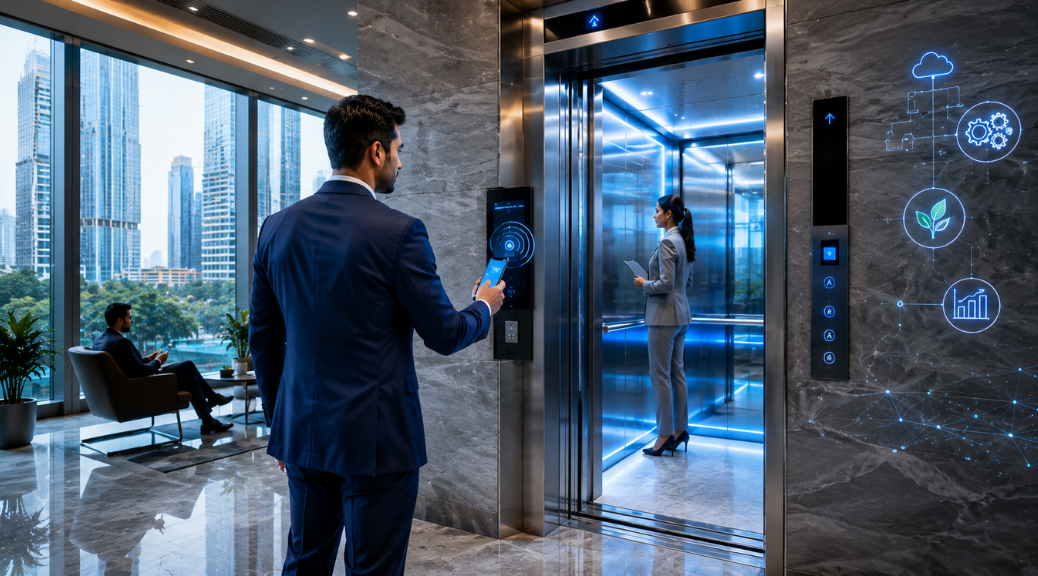
How Smart Elevators Are Transforming Modern Buildings in India
The way people move inside buildings is changing rapidly. As India continues to witness growth in high-rise residential projects, commercial towers, corporate offices, shopping malls, hospitals, and mixed-use developments, traditional elevator systems are no longer sufficient to meet modern expectations.
Today’s building owners, architects, and developers are looking beyond basic vertical transportation. They want elevators that are faster, more intelligent, energy-efficient, secure, and capable of delivering a seamless user experience.
This is where smart elevators are making a significant impact.
Powered by advanced technologies such as Artificial Intelligence (AI), Internet of Things (IoT), destination control systems, touchless operation, and predictive maintenance, smart elevator systems are redefining how people interact with modern buildings.
At Spire Elevators, we have seen a growing demand for smart lift solutions across residential, commercial, and institutional projects in India as property owners increasingly prioritize efficiency, safety, and future-ready infrastructure.
Table of Contents
What Is a Smart Elevator?
A smart elevator is an advanced elevator system that uses digital technology, automation, and intelligent controls to improve performance, passenger convenience, energy efficiency, and operational management.
Unlike conventional elevators that simply respond to floor calls, smart elevators can analyze traffic patterns, optimize travel routes, reduce waiting times, and even monitor their own performance in real time.
Modern smart elevator technology combines hardware and software to create a more connected and efficient vertical transportation experience.
These systems are becoming increasingly common in:
- Smart residential buildings
- Commercial office towers
- Shopping malls
- Hospitals
- Hotels
- Corporate campuses
- Mixed-use developments
- High-rise buildings
Why Traditional Elevators Are No Longer Enough
Modern buildings are handling more people than ever before.
As urbanization increases and building heights continue to rise, conventional elevators often struggle with:
- Long waiting times
- Traffic congestion
- Energy inefficiency
- Limited operational insights
- Higher maintenance costs
- Passenger dissatisfaction
Property owners now expect elevators to function as part of a connected building ecosystem rather than as standalone transportation equipment.
This shift is driving the adoption of intelligent elevator systems across India.
Faster Passenger Movement Through Destination Control Technology
One of the most important innovations in smart elevators is the destination control system (DCS).
Traditional elevators require passengers to enter the elevator first and then select their floor.
Smart destination control works differently.
Passengers select their destination before entering the elevator, and the system automatically groups people traveling to similar floors.
This technology helps:
- Reduce waiting time
- Improve passenger flow
- Minimize unnecessary stops
- Increase elevator efficiency
- Enhance building traffic management
For high-rise office buildings and commercial complexes, destination control systems significantly improve daily elevator performance.
Artificial Intelligence Is Making Elevators Smarter
Artificial Intelligence is playing an increasingly important role in smart elevator management.
AI-powered elevator systems can analyze passenger traffic patterns and make intelligent decisions based on real-time building activity.
For example, the system can:
- Predict peak traffic hours
- Allocate elevators efficiently
- Optimize travel routes
- Reduce congestion
- Improve passenger experience
Over time, AI continuously learns from building usage patterns, helping elevators become more efficient and responsive.
This is one of the reasons why AI-powered elevators are becoming a key feature in modern commercial buildings.
IoT Connectivity Enables Real-Time Monitoring
The Internet of Things (IoT) has transformed the way elevator systems are monitored and managed.
Modern IoT-enabled elevators continuously collect operational data and transmit it to centralized monitoring systems.
This allows facility managers to track:
- Elevator performance
- Operational status
- Component health
- Usage patterns
- Safety alerts
- Maintenance requirements
Real-time monitoring improves reliability and allows building managers to address potential issues before they affect elevator operation.
Predictive Maintenance Reduces Unexpected Breakdowns
One of the biggest advantages of smart elevators is predictive maintenance technology.
Traditional maintenance schedules often rely on routine inspections regardless of actual equipment condition.
Smart elevators continuously monitor their components and identify early warning signs of potential problems.
This allows maintenance teams to:
- Detect faults earlier
- Schedule repairs proactively
- Reduce downtime
- Improve elevator reliability
- Lower maintenance costs
Predictive maintenance is helping property owners move away from reactive repairs toward more efficient maintenance strategies.
Touchless Elevator Technology Improves Hygiene and Convenience
Since the pandemic, demand for touchless technologies has increased significantly.
Modern touchless elevators allow passengers to interact with the elevator system without physically pressing buttons.
Popular touchless features include:
- Mobile app controls
- QR code access
- Voice commands
- Sensor-based floor selection
- Smart card integration
These technologies improve both convenience and hygiene while creating a more modern user experience.
Smart Elevators Enhance Building Security
Security is becoming an increasingly important concern in residential and commercial buildings. Smart elevator systems can integrate directly with building access control systems.
This allows property managers to:
- Restrict floor access
- Monitor elevator usage
- Manage visitor movement
- Improve security compliance
- Enhance resident safety
Many modern smart building elevators use RFID cards, biometric systems, mobile credentials, or digital access platforms for controlled access.
Energy Efficiency Is Driving Smart Elevator Adoption
Energy consumption is a major concern for building owners and facility managers.
Modern energy-efficient elevators use advanced technologies to reduce electricity usage without compromising performance.
Popular energy-saving features include:
- Regenerative drives
- LED lighting
- Sleep mode systems
- Intelligent power management
- Efficient motor technology
By reducing energy consumption, smart elevators help lower operating costs while supporting sustainable building initiatives.
Smart Elevators Support Green Building Goals
India is witnessing a growing emphasis on sustainable construction and green buildings.
Developers pursuing environmentally responsible projects increasingly prefer smart elevator systems because they contribute to:
- Lower energy usage
- Reduced carbon footprint
- Sustainable building certification goals
- Improved resource efficiency
- Environmentally friendly operations
As green building adoption grows, smart elevators are becoming an important part of sustainable infrastructure planning.
Improving the Residential Living Experience
Smart elevators are no longer limited to commercial projects.
Luxury apartments, gated communities, and premium residential developments are increasingly adopting smart residential elevator systems.
Residents benefit from:
- Faster response times
- Better reliability
- Enhanced security
- Touchless operation
- Reduced waiting times
- Improved convenience
As home automation becomes more common, elevators are becoming integrated into broader smart home ecosystems.
The Future of Smart Elevators in India
India’s real estate market is evolving rapidly.
With the rise of smart cities, high-rise developments, mixed-use projects, and advanced building technologies, demand for next-generation elevator systems is expected to grow significantly.
Future smart elevators may include:
- AI-driven traffic prediction
- Advanced facial recognition access
- Cloud-based management systems
- Autonomous maintenance diagnostics
- Enhanced user personalization
- Greater integration with building management systems
The elevator industry is moving toward a future where elevators become intelligent infrastructure assets rather than simple transportation equipment.
Why Developers and Building Owners Trust Spire Elevators
Spire Elevators provides modern smart elevator solutions for residential, commercial, and industrial projects across Delhi and NCR.
The company offers:
- Smart passenger lifts
- Commercial elevator systems
- Residential elevator solutions
- Energy-efficient elevators
- Destination control elevators
- Elevator modernization services
- IoT-enabled lift systems
- Elevator AMC and maintenance services
Every elevator solution is designed to meet current building requirements while preparing properties for future technological advancements.
Smart Elevators Are Shaping the Future of Modern Buildings
Buildings today are expected to be faster, smarter, safer, and more connected than ever before.
Elevators are no longer just a means of moving people between floors. They have become intelligent systems that improve building efficiency, passenger experience, security, sustainability, and operational performance.
As India’s urban landscape continues to evolve, smart elevators will play a crucial role in shaping the future of residential and commercial infrastructure.
For property owners, developers, and facility managers, investing in smart elevator technology is not simply about modernization—it is about creating buildings that are prepared for the demands of tomorrow.
Frequently Asked Questions (FAQs)
What is a smart elevator?
A smart elevator is an advanced elevator system that uses technologies such as AI, IoT, automation, and destination control to improve efficiency, safety, and passenger experience.
How do smart elevators reduce waiting time?
Smart elevators use destination control systems and traffic analysis to group passengers efficiently and reduce unnecessary stops.
What is destination control technology in elevators?
Destination control technology allows passengers to select their floor before entering the elevator, helping optimize travel routes and improve traffic management.
Are smart elevators energy efficient?
Yes. Modern smart elevators use regenerative drives, intelligent power management systems, and energy-efficient components to reduce electricity consumption.
What is predictive maintenance in smart elevators?
Predictive maintenance uses real-time monitoring and data analytics to identify potential issues before they cause breakdowns.
Can smart elevators improve building security?
Yes. Smart elevators can integrate with access control systems, RFID cards, biometrics, and visitor management platforms to enhance security.
Are smart elevators suitable for residential buildings?
Yes. Many premium residential projects now use smart elevator systems to improve convenience, security, and overall resident experience.
Why should I choose a professional smart elevator provider?
A professional elevator company ensures proper system design, installation, technology integration, maintenance support, and long-term reliability.