
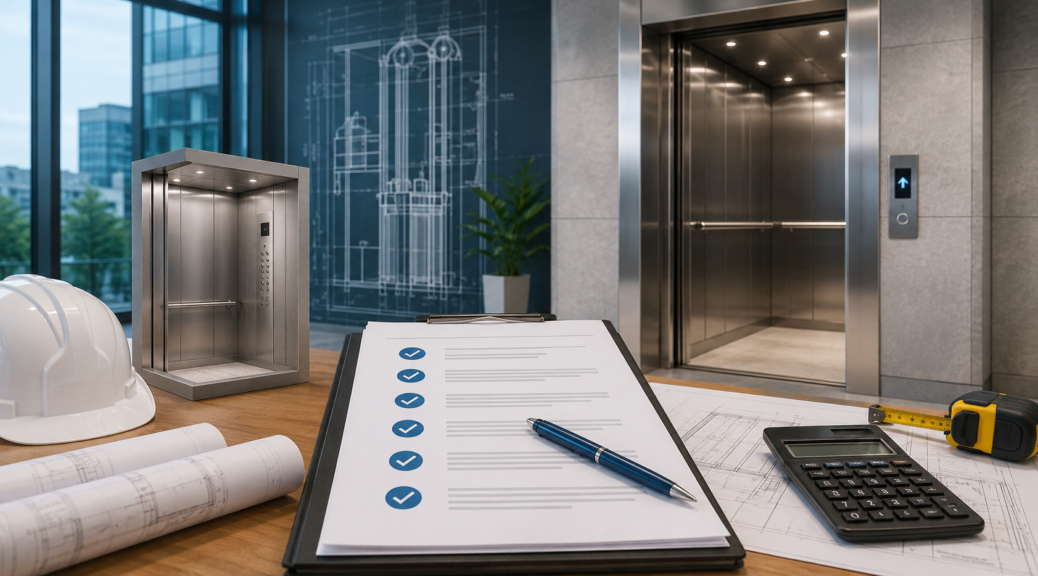
What Should Be Included in an Elevator Installation Proposal? A Buyer’s Checklist
Choosing an elevator is a long-term decision. Yet many buyers compare proposals by looking at only one thing—the quoted amount. That’s rarely enough.
A proper elevator installation proposal should explain what you’re actually getting, how the system will be installed, what is included in the scope, and what happens after commissioning. Whether you’re a builder, architect, developer, facility manager, or homeowner, understanding these details can help you compare proposals more accurately and avoid surprises later.
An experienced elevator installation company should provide a proposal that is clear about technical specifications, installation requirements, safety features, timelines, responsibilities, and after-sales support. This checklist explains what buyers should look for before approving an elevator project.
Table of Contents
Why an Elevator Installation Proposal Matters
An elevator proposal isn’t simply a document showing specifications.
It should give you a clear picture of the entire project.
A well-prepared proposal helps you understand what the elevator company will supply, what the building owner needs to arrange, and how the installation will be completed.
It also makes comparing different lift manufacturers easier.
If one company lists only the elevator model and another provides a detailed scope covering installation, testing, commissioning, warranty, and maintenance, the two proposals shouldn’t be compared on the quoted amount alone.
Look at the complete scope.
Company and Project Information
The proposal should clearly identify both parties.
It should include:
- Elevator company’s name
- Project name
- Project location
- Proposal date
- Proposal validity
- Contact information
- Authorized representative
- Project reference number
This may sound basic, but clear documentation prevents confusion when multiple contractors are involved.
For large developments, the proposal should also identify the specific building, tower, block, or elevator location covered by the offer.
Elevator Technical Specifications
The proposal should clearly explain what elevator is being offered.
Important specifications may include:
- Elevator type
- Model
- Capacity
- Rated speed
- Number of stops
- Travel height
- Cabin dimensions
- Door dimensions
- Drive system
- Control system
- Power requirements
Don’t accept vague descriptions such as “premium passenger lift” without supporting technical information.
The buyer should be able to understand exactly what is being proposed.
A professional passenger lift manufacturer should provide sufficient technical details for the project team to review.
Capacity, Speed and Travel Details
Capacity and speed directly affect elevator performance.
The proposal should state the rated load clearly, along with the rated speed and number of floors served.
For example, a residential elevator and a commercial passenger elevator may have completely different specifications.
The proposal should also mention:
- Ground-to-top travel
- Number of landings
- Number of entrances
- Door opening configuration
- Expected operating conditions
This information allows architects and consultants to verify that the proposed elevator fits the building’s requirements.
Shaft and Civil Requirements
This section is often overlooked by buyers.
However, elevator installation depends heavily on the building structure.
The proposal should clearly state requirements for:
- Shaft dimensions
- Pit depth
- Overhead or headroom
- Machine room, if required
- Structural supports
- Landing openings
- Door openings
- Equipment room requirements
It should also clarify which civil works are included in the elevator company’s scope and which need to be completed by the builder or another contractor.
This distinction can prevent disputes later.
Scope of Installation Work
The proposal should explain exactly what the installation team will handle.
Depending on the project, this may include:
- Delivery of elevator equipment
- Installation of guide rails
- Installation of cabin
- Door installation
- Drive and control equipment
- Electrical connections within defined scope
- Wiring
- Safety equipment
- Testing
- Commissioning
If a specific installation activity isn’t mentioned, don’t assume it’s included.
Ask.
A clear scope protects both the buyer and the elevator installation company.
Safety Features and Compliance
Safety specifications should never be treated as a footnote.
The proposal should identify the major safety systems included with the elevator.
Depending on the elevator type and applicable requirements, these may include:
- Door safety sensors
- Overload protection
- Emergency alarm
- Emergency lighting
- Automatic rescue arrangements
- Safety brakes
- Emergency communication
- Safety interlocks
The proposal should also identify applicable standards, certifications, and statutory requirements relevant to the project.
For commercial and residential developments, compliance should be verified with the project consultant and applicable local authorities.
Cabin and Door Specifications
The cabin is one of the most visible parts of an elevator.
The proposal should describe:
- Cabin dimensions
- Cabin finish
- Flooring
- Ceiling
- Lighting
- Handrails, where applicable
- Control panel
- Door material
- Door configuration
- Landing door finish
This is particularly important for premium residential and commercial projects where aesthetics matter.
If the buyer has selected a specific finish or design, it should appear in the proposal rather than being left as a verbal commitment.
Electrical and Power Requirements
An elevator requires appropriate electrical infrastructure.
The proposal should clearly state the expected power supply requirements and relevant electrical provisions.
It should also clarify the responsibilities of the elevator company and the building’s electrical contractor.
Depending on the project, buyers may need information regarding:
- Power supply
- Voltage
- Phase requirements
- Connected load
- Backup power
- Emergency operation
- Control wiring
Early coordination avoids electrical problems during installation.
Project Timeline and Installation Schedule
A proposal should provide a realistic project schedule.
This may cover:
- Design approval
- Manufacturing
- Material delivery
- Site readiness
- Installation
- Testing
- Commissioning
- Final handover
The timeline should also mention dependencies.
For example, installation cannot begin until the shaft, pit, power supply, access, and other required site conditions are ready.
A good lift supplier will clearly explain these dependencies instead of promising an unrealistic installation date.
Testing and Commissioning
Installation isn’t complete when the elevator starts moving.
The system needs to be tested and commissioned before regular operation.
The proposal should explain what testing is included.
This may involve:
- Safety system testing
- Door operation checks
- Load testing
- Travel testing
- Control-system verification
- Emergency operation testing
- Final inspection
Proper commissioning helps confirm that the elevator performs according to the agreed specifications.
Warranty and After-Sales Support
Warranty terms should be written clearly.
Don’t rely on statements such as “standard warranty applies.”
The proposal should explain:
- Warranty duration
- Covered components
- Labour coverage
- Spare parts coverage
- Exclusions
- Response process
- Service contact details
After-sales support is especially important because an elevator is a long-term building asset.
The company you choose today may be responsible for maintaining the system for many years.
Maintenance and AMC Details
Buyers should also ask what happens after the warranty period.
A professional elevator maintenance company may offer an Annual Maintenance Contract (AMC) covering periodic inspections and servicing.
The proposal should clarify:
- Maintenance frequency
- Service scope
- Emergency response
- Replacement parts
- Labour
- AMC options
- Preventive maintenance activities
Understanding these details upfront makes long-term planning easier.
What Is Excluded From the Proposal?
This may be the most important section for buyers.
A proposal should clearly identify exclusions.
Depending on the project, exclusions may include:
- Civil construction
- Shaft preparation
- Electrical cabling outside the defined scope
- Building modifications
- Scaffolding
- Additional structural work
- Government fees
- Certain taxes or statutory charges
- Additional customization
Never assume that something is included simply because it’s necessary for the installation.
If it’s unclear, ask for written clarification.
Questions to Ask Before Accepting a Proposal
Before signing an elevator installation agreement, ask:
Is the quoted specification exactly what we discussed?
Check the model, capacity, speed, cabin finish, doors, and safety features.
Who handles civil work?
Confirm pit, shaft, openings, structural supports, and related work.
What happens if site conditions change?
Ask how variations or additional work will be handled.
What is the installation timeline?
Understand both manufacturing and on-site installation periods.
What happens after handover?
Ask about warranty, AMC, emergency service, and spare parts.
Who will be our service contact?
Having a clear point of contact makes future communication easier.
Choosing the Right Elevator Installation Partner
The cheapest proposal isn’t necessarily the best proposal.
A reliable elevator installation company should provide clear documentation, transparent specifications, professional installation, testing, commissioning, and dependable after-sales support.
Look for a company that is willing to explain the proposal rather than simply asking you to sign it.
At Spire Elevators, we believe buyers should know exactly what they’re purchasing. Our elevator proposals are developed around the project’s technical requirements, installation conditions, safety needs, and long-term operating expectations.
Whether you’re a builder planning a residential development, an architect working on a commercial project, or a property owner looking for a suitable elevator, our team can help evaluate the requirements and develop an appropriate elevator solution.
A good proposal shouldn’t leave you with more questions than answers.
It should give you confidence about what you’re buying, how it will be installed, and who will support you afterward.
Frequently Asked Questions
1. What should an elevator installation proposal include?
A detailed proposal should include elevator specifications, capacity, speed, dimensions, shaft requirements, installation scope, safety features, project timeline, testing, commissioning, warranty, maintenance, and exclusions.
2. Should civil work be included in an elevator installation proposal?
It depends on the project and contract. The proposal should clearly state whether shaft construction, pit work, structural supports, and other civil activities are included or excluded.
3. How do I compare proposals from different elevator companies?
Compare the complete scope rather than only the quoted amount. Review technical specifications, capacity, speed, safety systems, installation scope, warranty, maintenance, exclusions, and after-sales support.
4. What should I check about elevator warranty?
Check the warranty duration, covered components, labour coverage, exclusions, spare parts, and the process for raising service requests.
5. Why is commissioning important after elevator installation?
Commissioning verifies that the elevator’s controls, safety systems, doors, travel, and other functions operate correctly before the system is handed over for regular use.
6. Should I ask about AMC before purchasing an elevator?
Yes. Understanding elevator maintenance and AMC options before purchase helps you plan the long-term operating and servicing requirements of the elevator.
7. When should I finalize an elevator installation proposal?
Ideally, the elevator proposal should be reviewed during the building’s design and planning stage. Early confirmation allows shaft dimensions, pit, headroom, electrical requirements, and other provisions to be coordinated before construction progresses.