
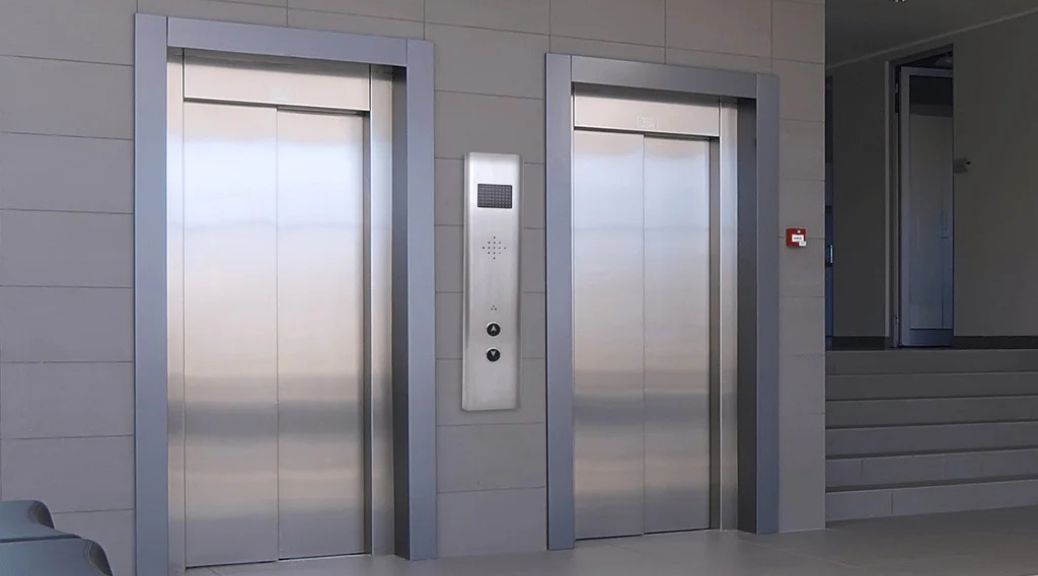
Elevator Load Capacity Guide: How to Choose the Right Lift for Your Building
When people enter a building, one of the first things they notice — even subconsciously — is how smoothly the elevator works. A fast, spacious, and comfortable lift creates a positive experience instantly. But when elevators are overcrowded, slow, or constantly busy, frustration becomes part of everyday life.
This is why choosing the right lift load capacity is not just an engineering decision. It is a planning decision that directly affects convenience, safety, building efficiency, and long-term operational costs.
Whether you are constructing a residential apartment, office building, hotel, hospital, or commercial complex, understanding elevator capacity calculation helps you avoid costly mistakes later.
At Spire Elevators, Delhi’s trusted passenger lift manufacturer and elevator installation company, we help builders and property owners choose elevator systems that perfectly match their building elevator requirements instead of simply installing standard lifts.
Table of Contents
A Lift Should Match the Building — Not Just the Budget
One of the biggest mistakes building owners make is selecting an elevator purely based on price or appearance.
An elevator may look modern from the outside, but if the passenger lift capacity is too small for the building, the daily experience quickly becomes frustrating. Long waiting time, overcrowding, unnecessary wear and tear, and higher maintenance costs are common outcomes of poor planning.
On the other hand, installing a larger-than-required elevator may increase electricity consumption and construction costs unnecessarily.
The goal is balance.
The right elevator capacity for commercial buildings or residential projects should comfortably handle passenger traffic without overspending on oversized systems.
That is why a proper elevator planning guide always begins with traffic analysis and building usage patterns.
Understanding Elevator Load Capacity in Simple Terms
Elevator load capacity refers to the total weight a lift can safely carry during operation. This includes passengers, luggage, equipment, and any additional load.
Most passenger elevators are categorized both by weight and passenger count.
For example:
| Lift Capacity | Passenger Capacity |
| 408 kg | 6 Persons |
| 544 kg | 8 Persons |
| 680 kg | 10 Persons |
| 1020 kg | 15 Persons |
| 1360 kg | 20 Persons |
The passenger count is calculated according to elevator capacity standards using an average person weight estimate.
However, actual elevator load calculation guide methods involve far more than these numbers.
Why Two Buildings Can Never Have the Same Elevator Requirements
A luxury residential tower and a busy corporate office may have similar floor counts, but their elevator usage patterns are completely different.
This is where professional elevator traffic analysis becomes important.
A residential building typically experiences peak traffic during mornings, evenings, and weekends. In contrast, commercial properties deal with continuous movement throughout the day.
Similarly:
- Hospitals require stretchers and wheelchairs
- Hotels require luggage movement
- Malls experience heavy crowd flow
- Offices require high-speed passenger movement
- Residential buildings focus more on comfort and smooth operation
Every building has unique vertical transportation solutions requirements.
Residential Elevator Capacity: Planning for Daily Comfort
In residential projects, elevators are part of everyday family life. People use them multiple times a day, which means comfort and reliability matter as much as technical specifications.
The ideal residential elevator capacity depends on:
- Number of apartments
- Floors in the building
- Family size
- Elderly accessibility requirements
- Daily traffic movement
- Future occupancy growth
For villas and duplex homes, compact residential lift installation solutions with 4-passenger capacity often work perfectly.
For apartment buildings, 6 to 10 passenger elevator specifications are generally more suitable.
The best elevator capacity for apartment buildings is usually one that handles daily traffic comfortably without excessive waiting time during busy hours.
Commercial Elevator Capacity Needs Smarter Engineering
Commercial spaces operate differently. Here, efficiency becomes critical.
In offices, employees expect elevators to move quickly during peak working hours. In shopping malls, passenger flow changes constantly throughout the day. Hotels require smooth guest movement, while hospitals need uninterrupted lift access for emergencies.
This is why commercial lift solutions require advanced planning.
A properly designed commercial elevator capacity system focuses on:
- Faster travel speed
- Higher elevator weight capacity
- Efficient passenger movement
- Better waiting time management
- Continuous operational durability
Commercial properties also often require multiple lifts working together as an integrated system.
Elevator Dimensions Matter More Than Most People Realize
Many people focus only on weight capacity while ignoring elevator dimensions.
But passenger comfort depends heavily on cabin space.
A lift may technically carry 8 passengers, but if the cabin feels cramped, the user experience suffers. Modern passenger elevator size guide standards focus equally on spaciousness, movement comfort, and accessibility.
Important factors include:
- Cabin width and depth
- Door opening size
- Wheelchair accessibility
- Ventilation
- Passenger standing space
- Ease of movement during peak hours
This is especially important in premium residential and commercial projects where customer experience matters.
The Hidden Importance of Elevator Traffic Analysis
One of the most overlooked aspects of lift planning is elevator traffic analysis.
This process studies how people move inside the building throughout the day and helps determine:
- Number of elevators required
- The right lift capacity for buildings
- Elevator speed requirements
- Waiting time expectations
- Peak traffic management
Without proper traffic analysis, even expensive elevators can perform poorly.
At Spire Elevators, elevator planning begins with understanding the building’s real-world usage instead of relying only on generic assumptions.
Safety Standards Are Not Just Technical Formalities
Lift safety standards are one of the most important parts of elevator engineering.
Modern elevators are designed with advanced safety systems that prevent unsafe operation when overloaded. However, repeated overloading still impacts motor performance, cable life, and operational efficiency over time.
A professional passenger lift manufacturer always follows strict elevator capacity standards during manufacturing and installation.
Proper load bearing capacity planning ensures:
- Safe passenger movement
- Better lift lifespan
- Reduced maintenance issues
- Smooth emergency operation
- Reliable daily performance
Ignoring safety calculations during planning often creates long-term operational problems.
How to Choose Elevator Capacity for Your Building
If you are planning a new project, how to choose elevator capacity should never be a rushed decision.
Before finalizing any lift system, ask these practical questions:
- How many people will use the elevator daily?
- Is the building residential or commercial?
- What is the expected future occupancy?
- Are goods or equipment also transported?
- How many floors does the building have?
- What are the peak traffic timings?
- Is wheelchair access required?
- How much shaft space is available?
A good elevator installation company studies all these factors before recommending a solution.
Why Builders Across Delhi Prefer Spire Elevators
Spire Elevators has become a trusted name for residential and commercial elevator projects across Delhi because the focus is not only on manufacturing lifts — it is on creating dependable long-term movement systems for buildings.
From compact residential elevator capacity solutions to advanced commercial elevator capacity systems, every project is designed according to actual building elevator requirements.
The company specializes in:
- Passenger elevators
- Commercial lift solutions
- Residential lift installation
- Customized elevator dimensions
- High-performance vertical transportation solutions
- Safe and durable elevator systems
With a strong focus on engineering quality, safety, and after-sales support, Spire Elevators helps builders choose systems that remain efficient for years — not just during installation.
A Well-Planned Elevator Makes the Entire Building Feel Better
The best elevator systems are the ones people barely notice because everything works smoothly.
There are no long queues during rush hours. No overcrowded cabins. No constant maintenance complaints. No uncomfortable rides.
That level of efficiency only happens when the elevator load capacity guide is planned correctly from the beginning.
Choosing the right lift size and capacity is not about installing the biggest elevator possible. It is about understanding how the building actually functions every single day.
A properly planned elevator becomes part of the building’s comfort, safety, and overall experience for decades. And that is exactly why professional elevator planning matters.
Frequently Asked Questions (FAQs)
What is elevator load capacity?
Elevator load capacity refers to the maximum weight an elevator can safely carry, including passengers and additional load.
How is passenger lift capacity calculated?
Passenger lift capacity is calculated based on average passenger weight, building traffic flow, occupancy level, and elevator dimensions.
What is the ideal residential elevator capacity?
For residential buildings, residential elevator capacity usually ranges from 4 to 8 passengers depending on building size and occupancy.
What is the best elevator capacity for apartment buildings?
The best elevator capacity for apartment buildings usually ranges from 6 to 10 passengers for smooth daily operation.
Why is elevator traffic analysis important?
Elevator traffic analysis helps determine the right number of lifts, lift size and capacity, and waiting time efficiency.
What is the difference between residential and commercial elevator capacity?
Commercial elevator capacity systems are designed for heavier and continuous traffic, while residential elevator capacity focuses more on comfort and moderate usage.
How many passengers can a lift carry?
The answer depends on the elevator weight capacity and cabin size. Standard lifts can carry anywhere between 4 to 20 passengers.
Why should I hire a professional elevator installation company?
A professional elevator installation company ensures proper elevator capacity calculation, safety compliance, smooth installation, and long-term operational reliability.